PPLI Succession Planning: Authority, Handover and Claims
A good PPLI succession plan answers one practical question: if the trustee, the family-office contact or a key adviser is suddenly unavailable, who can act, and on what authority? Write down that authority, what the carrier needs to accept a new decision-maker, when premiums fall due, where the investment-control limits sit and where the essential documents are kept. Treat the insured's death as a different event altogether. It starts a claim under the existing contract, and any policy on another life is a fresh decision. Rehearse both situations now, before a real transition turns up a missed payment, a disputed instruction or a record nobody can open.
This article provides a practical planning method. Its tax references concern U.S. federal law. Trust powers, succession procedures and insurance requirements depend on the governing instruments and applicable jurisdictions.
Start by separating the roles
The founder, policyowner, insured, beneficiary, trustee and investment manager may be different people or entities. When one of those roles changes hands, the others stay where they were. A family governance charter is a useful statement of intent, but it cannot give anyone a power that the trust documents or the law do not.
| Track | Question to resolve | Evidence to retain |
|---|---|---|
| Trust and policy authority | Who appoints a successor, when does authority begin, and what must the insurer receive? | Trust instrument, appointment/acceptance documents, relevant approvals and carrier acknowledgement. |
| Investment governance | Who selects permitted policy options, who manages specific investments and who monitors compliance? | Policy terms, investment-management agreements, permitted communications and monitoring reports. |
| Professional support | Who takes over tax, trust, insurance and administration questions? | Current engagement scope, alternate contacts, access permissions and pending matters. |
| Family understanding | What can the next generation decide, request or receive? | Role descriptions, distribution standards, education materials and escalation routes. |
For context, read the PPLI guide, dynasty-trust discussion and next-generation leadership guide.
A protector is a defined office, not automatic protection
If the trust uses a protector or adviser, record the actual appointment, removal, consent and direction powers, including any fiduciary duties and limits. For example, 12 Del. C. Section 3313 addresses advisers and protectors, while Section 3303 addresses the effect of governing instruments. Other states handle these offices differently, so read the trust's own governing law.
The title tells you little. Whether a protector is independent, qualified or able to replace a trustee depends on what the instrument actually says. Build the plan around the office that exists, or around no protector at all if the trust has none.
Make the trustee handover an acceptance process
A corporate trustee brings continuity, but a well-known name is not a description of duties. Read what it has actually agreed to monitor: the trust terms, engagement scope, fees, exclusions, conflicts and its specific responsibilities for administering the policy.
This distinction can matter under state law. 12 Del. C. Section 3302(d) contains a conditional limitation of trustee liability for specified life-insurance monitoring decisions. Check its scope and disclosure conditions carefully. Families often assume the trustee watches every feature of the policy, when the duty it accepted is much narrower.
The handover file
- Authority: Current trust and amendments, appointment and resignation instruments, required consents, signing powers and any incapacity determination.
- Contract: Complete policy, endorsements, ownership and beneficiary records, insurer contacts and outstanding service requests.
- Funding: Premium notices, planned payments, source of funds, bank authority, applicable funding limits and the action required if money is unavailable.
- Current economics: Recent statements, policy charges, surrender terms, loan balance and interest, relevant in-force projections and liquidity restrictions.
- Tax and investment records: Applicable qualification and MEC information, diversification reports, manager agreements and investment-control advice.
- Beneficiary administration: Distribution standards, pending requests, relevant notices, tax reporting and any dispute or restricted information.
Assign an owner to each item and record whether the incoming trustee has received, understood and accepted responsibility for it. Sensitive records need authorized access and secure storage; transferring a shared password is not a sound authority process.
Choose timing from dependencies
You will sometimes hear that a handover takes six to twelve months. None of the authorities cited here sets such a rule. Build the schedule around the real notice periods, appointment process, insurer requirements, premium dates and administrative work. Planned retirements can allow advance preparation; incapacity and death require an emergency path.
An overlap period is a good way to pass on knowledge, but only one trustee can be giving instructions at any point. Record who may act at each stage and how the carrier confirms the change.
Preserve lawful investment governance
Write separate roles for selecting permitted policy options, evaluating managers and directing specific underlying investments. A founder's departure must not be solved by giving a family committee powers inconsistent with the policy's tax arrangement.
Revenue Ruling 2003-91 examines owner control on a particular set of facts. The lesson is to look at the rights the owner actually holds and the conversations that actually happen; calling the manager independent proves nothing on its own. The investor-control guide provides further context.
Before the next committee meeting, document:
- Which allocation and strategy decisions the policyowner is permitted to make.
- Who may communicate with the insurer and manager, and about which matters.
- Whether a proposed reallocation or new insurance-dedicated fund is accepted under the actual platform and agreements.
- Who receives compliance exceptions and has authority to escalate them.
- How the committee records a decision without converting oversight into impermissible direction of particular assets.
Keep the Section 817(h) diversification process operating through the transition. Identify the testing party, relevant dates, account/fund information and response procedure. The regulation has aggregation, look-through, timing and exception provisions, so the test needs to be run properly, however confident the committee feels.
Retain the investment mandate, asset-location rationale and performance methodology in the handover. Read the CIO portfolio-construction guide and tax-compliance framework.
Keep professional knowledge transferable
List the current contact and an alternate for tax counsel, trust counsel, insurance service, investment management and administration. Before you rely on a backup name, confirm that person has actually been engaged and has access. Being introduced is not the same as having taken on the work.
For each specialist, retain the latest advice, the facts and assumptions supporting it, open issues, next deadlines and the documents another authorized adviser would need. Record why material choices were made, including ownership, insured selection, carrier, funding design and investment restrictions.
The family-office governance guide addresses coordination. Use the carrier due-diligence guide when responsibility for the insurance relationship changes.
Build a concise briefing for the incoming team
The briefing should identify the decision history, actual powers, pending obligations and source documents. Keep it as short as those facts allow. Keep it current when a trustee, insurer, manager, beneficiary arrangement or relevant law changes.
The insured's death requires a separate workflow
A trustee's retirement and the insured's death are different events. The first concerns authority and administration. The second begins the insurer's claim process under the contract. Confirm the insured, contractual beneficiary, outstanding loan balance and required evidence before assuming who will receive what.
Section 101(a) generally excludes qualifying death proceeds from gross income, subject to exceptions. Estate inclusion is a separate question, governed by Section 2042. Holding the policy in trust helps with planning, but each of the income, estate and generation-skipping tax questions still needs its own answer.
- Identify the person or entity authorized to submit the claim and the beneficiary entitled under the contract.
- Obtain the insurer's actual claim requirements and confirm the method for sending sensitive documents.
- Reconcile loans, assignments, beneficiary records and any dispute affecting settlement.
- Plan interim expenses using resources actually available. Unpaid claim proceeds are not already investable cash.
- When proceeds are received, apply the recipient's actual powers, investment responsibilities, distribution standards and tax/reporting obligations.
There is no automatic renewal on a younger life. A proposed new policy requires fresh review of the insured, insurable interest, consent, underwriting, current law, costs, funding, eligibility and suitability. Buying more insurance should have to earn its place against every other use of the proceeds, on the facts at that time.
Run two succession exercises
These are hypothetical drills for testing the plan, not accounts of real clients. Set a realistic internal review date and record who is responsible for closing each gap.
| Scenario | Tasks to demonstrate | A useful completion record |
|---|---|---|
| The usual contact is unavailable and a premium is due | Locate the notice and contract deadline; establish payment authority; confirm funding, permitted premium limits and the escalation route. | A named authorized backup can explain the next action using current documents. Any missing authority or funding is recorded with an owner and resolution date. |
| The insured dies | Locate the policy and beneficiary record; identify the claimant, required evidence, loan/assignment information and interim cash needs. | The team can distinguish a claim from trustee succession and explain who controls received proceeds. New-insurance decisions remain a separate review. |
Repeat the exercise after a material change and on an appropriate planned review cycle. Holding a meeting or creating a folder proves little. What counts is that someone has shown they can act. Family members also need an explanation of which decisions they can make and which belong to a fiduciary or insurer.
Use the next-generation education guide to prepare that discussion. The aim is simple: someone with proper authority can always act. No structure lasts forever.
PPLI succession questions
Does changing a trustee end the policy?
Not automatically. Review the trust's appointment and succession terms, the policy and the insurer's requirements for recognizing the new authority. A trustee change and the insured's death are separate events.
Must a trust protector manage the transition?
Not necessarily. A protector can act only within the powers and duties given by the governing instrument and applicable law. Check what the office actually is, what it may do and whether it has any conflicts.
How long should a trustee handover take?
Use the actual legal and administrative dependencies, including required notices, appointments, insurer documents and premium dates. There is no fixed six-to-twelve-month rule. Maintain an emergency procedure for an unplanned absence.
Can death proceeds automatically fund a replacement policy?
No. The beneficiary's authority and the proposed new contract require separate review. A new insured means new questions about consent, insurable interest, underwriting, costs, funding, eligibility and current law.
Resolve the next handover decision
Send a PPLI succession question and identify the role changing, the upcoming deadline and the document or authority that needs clarification. Read the editorial standards for source and correction principles.
Educational information only. Running these exercises does not appoint a trustee or confer authority on anyone, and nothing here is an opinion on a particular trust or policy.
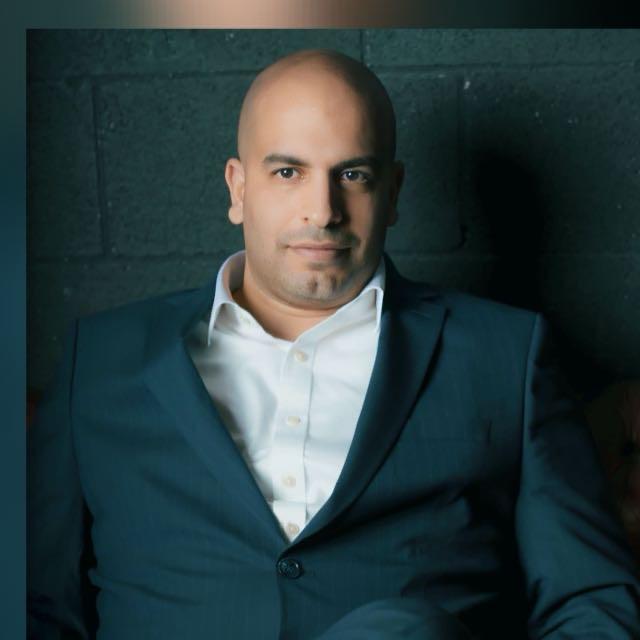
Eldar leads PPLI.com’s strategy, research and partnerships. He acquired PPLI.com in 2020 and has worked on private placement life insurance since then.
Use the consultation form to describe your question and the support you are seeking. Review the Privacy Policy before sharing personal information.
Prefer to begin with a single question? Write to info@ppli.com