Next-Generation Family Office Leadership: Preparing Heirs for PPLI
Heirs should understand the family's PPLI arrangement well before anyone asks them to oversee it. Start with the basics: who owns the policy, whose life is insured, who benefits, what the policy is worth and who is allowed to make which decisions. Then work through real documents and supervised exercises until each person can explain the costs, spot a funding problem and tell when a specialist is needed. Keep one thing clear throughout: learning about the structure gives nobody trustee powers or investment authority. Appointments, legal duties and beneficiary rights come from the governing documents and the applicable law.
A beneficiary may need to understand a trust without ever becoming its trustee. A committee observer may need to read investment reports without any power to instruct a manager. Those are different learning goals, so start from the person's experience and likely role. Founders do not always understand every detail, and younger family members often know more about finance than their parents assume.
A dynasty trust may continue for several generations where the governing law permits. The insurance contract inside it usually does not: it pays out on the death it insures, and then the trust holds cash or other assets instead. Heirs should see the difference between how long the trust lasts and how long the policy lasts, how a claim works and what happens to the proceeds. Start with how PPLI works before discussing a leadership role.
Transfer the reasoning as well as the documents
Ask the current decision-makers why they chose this arrangement, what else they considered and which assumptions still need testing, and write down the questions nobody can answer yet. The founder's memory of why things were done is valuable context. The policy, the trust instrument and the written professional advice remain the authority when memory and documents disagree.
A learning plan should cover four distinct subjects:
- The contract: who owns it, whose life is insured, the benefit trigger, charges, funding requirements, loans and surrender terms.
- The trust: beneficiaries, distribution provisions, appointment and removal powers, duties and information rights.
- The investments: permitted options, risk, valuation dates, liquidity restrictions and the boundaries on instructions.
- The operating process: who receives notices, who can act, which reports are required and how unresolved issues reach the right person.
For U.S. tax purposes, distinguish policy qualification under Section 7702, MEC testing under Section 7702A, and diversification under Treasury Regulation 1.817-5. Investor control is a separate issue again. An heir does not need to become the family's tax specialist, but should know that passing one of these tests says nothing about the others. The PPLI tax-compliance framework develops these distinctions.
Learning sticks best in repeated sessions tied to real decisions. Set the pace by the person, the complexity of the arrangement and how soon a handover is coming. There is no right age to start, no minimum number of years of training and no single mistake that every family makes.
Use committee participation within clear limits
A family investment committee gives heirs a place to listen, compare assumptions and ask questions. Not every PPLI arrangement has one, and a seat at the table does not in itself give anyone authority over the policy or its investments. Spell out whether each person is observing, advising, consenting, directing or acting as trustee.
| Learning role | Useful task | Evidence to review |
|---|---|---|
| Observer | Read a statement and identify the owner, insured, beneficiary and reporting date. | The participant explains which value is being reported and what the statement does not show. |
| Analytical contributor | Compare costs, liquidity and assumptions across permitted strategies and direct investment. | A short comparison separates facts, forecasts, fees, tax assumptions and unresolved questions. |
| Committee participant | Discuss an allowed strategic choice or a proposed policy review. | Minutes identify the participant's role, conflicts, information considered and authority limits. |
| Formally appointed decision-maker | Exercise only powers validly granted by the relevant documents and law. | Appointment, acceptance, insurer recognition where needed, advice on duties and a documented handover. |
Treat these as learning milestones, not promotions. Finishing them does not make someone a trustee, qualify them for every role or oblige the family to give them one. And any right to information that the law or the trust already gives a beneficiary cannot be held back until they pass an internal exercise.
Practice analysis without directing individual assets
Revenue Ruling 2003-91 allowed a choice among broad investment strategies on its particular facts. It does not let the family pick individual securities or arrange particular transactions for the policy. Before a family committee sends any message to the insurer or manager, check the contract, the investment mandate and who actually controls what. See the investor-control doctrine.
For a learning exercise, ask the participant to compare after-tax return assumptions or explain an asset-location decision. A good answer names the tax realization assumptions, every relevant charge and the limits on access. Teach them to present a forecast as a forecast, and to keep a classroom discussion from turning into a trade instruction nobody approved.
Plan the handover by legal role
List the positions that may change hands: trustee, protector, investment adviser, committee member, carrier contact or family-office employee. For each, note how the appointment is made, when it takes effect, who must accept it, which records move and who covers in the meantime. A new family-office employee does not change who owns the policy, and a new trustee does not trigger a death benefit.
Use the PPLI succession and trustee-handover guide for continuity and claims. Use the family-office responsibility map to assign administration, monitoring and escalation. One piece of vocabulary worth getting right early: in trust-owned insurance, the trust or its trustee owns the policy. The insurer never owns the trust.
Delaware illustrates why a title is insufficient
Under 12 Del. C. Section 3313(a), a person given specified authority to direct, consent to or disapprove fiduciary decisions is generally an adviser and a fiduciary when using that authority, unless the governing instrument says the role is nonfiduciary, as it may for a protector. The statute also treats directing, consenting and the duties of the directed fiduciary differently. So a family adviser may well carry legal duties, and two advisers with similar titles can hold quite different roles.
Appointing an institutional trustee does not mean every aspect of the policy is being watched. Section 3302(d) can protect a trustee from liability for specified failures when it acquires or retains insurance on the trustor, the trustor's spouse or both, provided the required disclosure is made. The listed matters include suitability review, insurer financial strength and policy options, which are exactly the things a family might assume the trustee checks. Ask which services and reviews the engagement actually includes. None of this state law relaxes the federal insurance-tax requirements.
Institutional and individual trustees both need to be judged against the role you have in mind: their powers, services, competence, fees, conflicts, succession arrangements and how duties are split among co-trustees. Having a corporate trustee on the file does not mean someone is already tracking premium deadlines or investment-compliance reports. Find out who is.
Translate family purpose into defined questions
Ask family members what they want the wealth to pay for: living expenses, education, a business, philanthropy or support for later beneficiaries. Expect different answers within the same generation, and do not expect a mission statement on its own to make anyone more engaged. Write down where people agree and where they do not.
Then ask what the trust actually permits. Which distributions are mandatory or discretionary? Who decides? What liquidity would an approved distribution require? A family's preference is not necessarily an enforceable right or a direction the trustee must follow. For example, Delaware Section 3301(g) distinguishes a letter of wishes from the governing instrument itself.
Then test whether the existing insurance arrangement actually serves those aims once charges, investment restrictions and access limits are counted. A policy is one asset among several; the trust's distribution provisions and the family's own sense of purpose do their own work. Changing course may need formal powers, consents or professional advice. The charitable-planning analysis and estate-planning guide address different consequences of the choices.
Build a learning plan around the intended responsibility
The building blocks might include study of finance or trust law, a few years working outside the family enterprise, mentoring and supervised committee work. Choose them for the person and the role. A certificate, a degree or a good outside job is useful, but it does not confer trustee authority or prove someone is ready to administer a policy. Nor is there one set path from committee to board to family leadership.
Use a short learning record with the subject, document reviewed, participant's explanation, unresolved question and next action. A useful review asks whether the participant can:
- Distinguish policy cash value, surrender proceeds and death benefit.
- Find the person authorized to respond to a notice and the backup contact.
- Explain an investment or tax assumption without treating it as a guarantee.
- Recognize a conflict, an uncertain valuation or an instruction beyond their role.
- Identify the information or advice needed before making a permitted decision.
These questions are a practical checklist, not a validated scoring system or a forecast of how the family will fare. Revisit the plan whenever the role, the contract, the beneficiaries or the governing rules change. And be wary of anyone who claims a particular education method preserves family wealth; the forecasts behind such claims do not show it.
A practical first learning session
Work from an authorized, suitably redacted statement from the real contract, or from a clearly labeled fictional example. Leave medical information, account identifiers and other beneficiaries' personal data out of the teaching pack unless there is a lawful reason and proper access. And never use the education plan as a reason to withhold information a beneficiary is legally entitled to.
As one state-law example, California Probate Code Section 16061 requires a trustee, on a beneficiary's reasonable request, to provide information about trust administration relevant to that beneficiary's interest, subject to Section 16069. That is a legal entitlement with its own scope, not a reward for finishing a family curriculum. Other states, other countries and other trust documents have their own rules.
- Identify the people and roles. Name the owner, insured and designated recipient, then distinguish them from advisers and administrative contacts.
- Read the values. Locate cash value, surrender value, charges, loans and death benefit. Ask what each figure includes and whether deductions have already been made.
- Find the obligations. Identify the next funding requirement, report or decision. Confirm who receives the notice and who can act.
- Test an investment question. Compare a broad strategy discussion with a proposed instruction to buy a specific asset. Identify who must review the boundary.
- Explain the death event. Use the contract to identify when a claim arises and who receives proceeds. Distinguish that event from a change of trustee.
- Close with three examples. Name one action the participant may take, one they may observe and one needing further authority or specialist advice.
Qualifying death proceeds generally receive the income exclusion under Section 101, subject to its rules. Once the money is paid into a trust, though, the tax shelter ends: later trust income is taxed under its own rules, including those beginning at Section 641 and any applicable grantor-trust provisions. Teach the real sequence of events, and make sure no one leaves thinking the policy shelters the family's wealth for every generation.
Record questions that remain open and direct them to the relevant trustee, carrier, manager or adviser. For a specific research question, ask PPLI.com about the topic. Keep sensitive policy and family records out of that first message.
Frequently asked questions
Why does next-generation preparation matter for a PPLI-owning family?
Heirs often inherit a structure they had no part in designing, yet they may need to understand its costs, their rights under the trust and who is responsible for what. Learning tied to a defined role helps them ask the right questions and see where their authority stops. It cannot guarantee investment results, family harmony or continuity, and not every heir needs to become a decision-maker.
How should a family introduce heirs to a PPLI structure?
Begin with the person's experience and likely role. Use an authorized statement to walk through ownership, the insured event, policy values, costs and funding needs, then move on to trust rights and the limits on investment instructions. Reaching a learning milestone does not grant any powers, and it cannot be used to take away information rights the law already provides.
How is trustee succession handled for trusts that own PPLI?
Follow the trust instrument, the governing law and the appointment and acceptance process it sets out. Where the carrier needs it, confirm the new trustee's authority with them, and hand over the records, deadlines and open issues. An institutional trustee is one option; read what it will and will not do before appointing it. Family advisers may carry duties of their own.
How can committee participation prepare the next generation?
A committee gives heirs supervised practice at reading reports, comparing assumptions and discussing the strategy choices the policy allows. Be clear whether each participant observes, advises or holds a formal decision right. Sitting in meetings does not authorize anyone to give individual investment instructions, make them a trustee or keep the policy within its tax requirements.
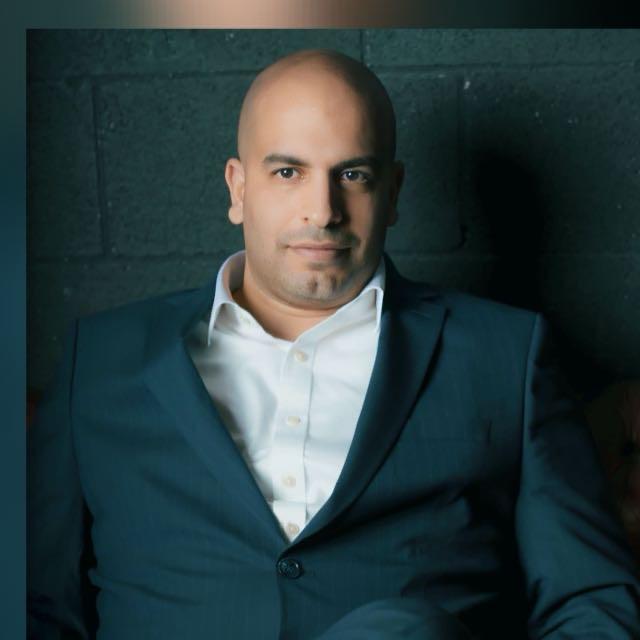
Eldar leads PPLI.com’s strategy, research and partnerships. He acquired PPLI.com in 2020 and has worked on private placement life insurance since then.
Use the consultation form to describe your question and the support you are seeking. Review the Privacy Policy before sharing personal information.
Prefer to begin with a single question? Write to info@ppli.com