October Filings Reveal $200 Million in Two New Insurance-Dedicated Funds
Two newly formed insurance-dedicated funds reported a combined $200 million in securities sales in October filings, offering a fresh view of the investment vehicles behind private placement life insurance and annuities.
The THL Insurance Dedicated Fund Series of the SALI Multi-Series Fund, L.P. disclosed $100 million sold in a Form D filed on October 26. A separate vehicle, the Centerbridge Insurance Dedicated Fund Series of the same SALI partnership, reported $100 million in an amended notice filed on October 13. Both describe themselves as private equity funds formed in 2026.
The figures concern interests in the funds. They are not sales of insurance policies, current assets under management or a count of wealthy families buying PPLI. Even with those limits, the filings provide something unusually concrete in a market whose product terms and investment menus are largely private: named new vehicles, first-sale dates and reported capital.
What the October notices disclose
The THL filing records a first sale on October 21, five days before the notice was submitted. It reports one investor and an offering of indefinite size. The Centerbridge amended filing gives September 28 as its first-sale date and reports two investors, also with an indefinite offering amount.
| Vehicle | Filing date | First sale | Reported sold | Investors reported |
|---|---|---|---|---|
| THL Insurance Dedicated Fund Series | October 26, 2026 | October 21, 2026 | $100 million | 1 |
| Centerbridge Insurance Dedicated Fund Series | October 13, 2026 | September 28, 2026 | $100 million | 2 |
The $200 million total is the sum of the two vehicles’ reported sales. Centerbridge filed an initial notice and an amendment on the same day; these are records of the same offering, not two separate $100 million raises. The SEC’s own Regulation D statistics methodology explains why amendments must be reconciled rather than simply added together.
Neither notice sets $100 million as a final fund size. An indefinite offering amount leaves the ultimate amount open. Nor do the two first-sale dates establish that the entire combined sum was raised during October: one vehicle’s first sale was in September.
Why these vehicles matter to PPLI owners
An insurance-dedicated fund sits within the investment structure, behind the policyholder’s contract with the insurer. SALI describes its platform as creating and administering IDFs that can be attached to insurers’ PPLI and private placement variable annuity investment accounts. That structure makes the October filings directly relevant to the private placement insurance market.
A policyholder evaluating alternatives needs to know which managers and strategies a particular carrier can accommodate. A new fund vehicle may be relevant to that conversation. It does not automatically appear on every insurer’s platform, and the public notices do not establish that either of these funds is available through a particular family’s contract.
SALI’s published insurer list identifies companies that have attached one or more SALI-administered funds to their platforms. The wording matters. A relationship with the administrator is not confirmation that an insurer offers every fund in the administrator’s range.
For an owner with a policy already in force, the practical next step is a question about the exact vehicle and mandate. The carrier should be able to confirm whether it accepts an allocation, what documents it requires and whether the policy’s investment rules allow it. A familiar fund name is the beginning of that inquiry.
Identify the policy, jurisdiction and decision you need to examine. Use the consultation form to describe the issue and the professional support you are seeking.
Describe your question →The $10 million figure is a fund minimum
Both notices list $10 million as the minimum investment accepted from an outside investor. That is a field in the THL fund notice and the Centerbridge fund notice. It should not be presented as a minimum premium for a PPLI policy or an amount every family must allocate.
The legal investor in a fund and the holder of an insurance contract occupy different positions in the structure. The reported investor counts likewise cannot be turned into counts of policies, insured lives or families. The filings do not identify the investors or the contracts, if any, associated with their allocations.
This is particularly relevant when a family receives an investment proposal containing several minimums. An insurer’s funding requirement, a fund’s stated minimum and the allocation available under an individual contract need to be reconciled. The public fund figure answers one of those questions.
The filings leave the investment terms private
The notices classify the vehicles as private equity funds. They do not provide enough information to establish portfolio construction, underlying holdings, expected returns, redemption rights or a family’s all-in costs. The offering documents are still needed to understand what an allocation would buy.
Both report zero sales commissions and zero finders’ fees in the relevant Form D fields. That is not evidence of a fee-free investment. Those fields do not supply a complete schedule of fund management charges, performance fees, administration costs, policy charges or intermediary remuneration elsewhere in an arrangement.
A useful comparison would put those costs beside the exposure actually offered. Where a manager has several vehicles, the dedicated fund may require a separate examination of liquidity, expenses and implementation. The October notices do not establish that its terms or holdings match another product carrying a similar name.
For a family intending to hold private assets inside a policy, cash timing also deserves attention. Investment value and accessible cash are different quantities. Any proposed allocation should be assessed against the contract’s charges, expected withdrawals and the fund’s own restrictions.
A new data point in a private market
The two filings do not demonstrate market-wide growth or establish that either vehicle is suitable for a particular policyholder. Their significance is narrower and more useful: they document two 2026 insurance-dedicated vehicles reporting substantial initial sales, with first-sale activity in late September and October.
For advisers tracking the PPLI investment menu, and the carrier competition around it, this is a reason to update the research file with specific questions. Which carrier accepts the vehicle? What strategy is actually implemented? Who controls investment decisions? How does the fund provide the information needed for the policy’s diversification and tax reviews?
A Form D is a notice filed by an issuer, not an SEC endorsement of a fund’s merits or tax treatment. The reported figures should be read on that basis. They make the existence and early reported scale of the offerings visible; the decision to allocate still depends on information the notices do not contain.
That is the distinction the October records bring into focus. The market behind PPLI consists of identifiable funds and contractual arrangements. These two notices add fresh facts about that market, while leaving the most important investment questions to the documents and the insurer.
Reported November 3, 2026, from the issuer notices and primary sources linked above. General information only; this article does not recommend a fund or insurance contract.
Sources
SEC EDGAR, Form D, THL Insurance Dedicated Fund Series of the SALI Multi-Series Fund, L.P., filed October 26, 2026
SEC EDGAR, Form D/A, Centerbridge Insurance Dedicated Fund Series of the SALI Multi-Series Fund, L.P., filed October 13, 2026
THL notice, primary document (XML)
Centerbridge notice, primary document (XML)
SEC, Regulation D offerings statistics and methodology
SALI, About
SALI, Insurance companies
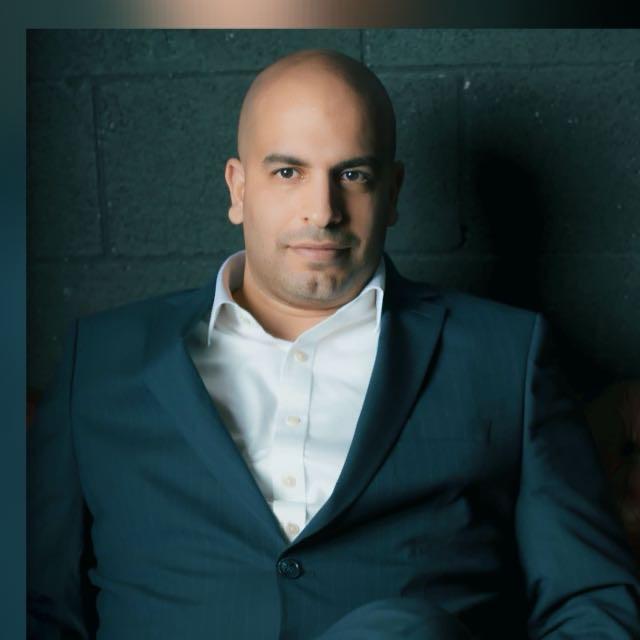
Eldar leads PPLI.com’s strategy, research and partnerships. He acquired PPLI.com in 2020 and has worked on private placement life insurance since then.
Use the consultation form to describe your question and the support you are seeking. Review the Privacy Policy before sharing personal information.
Prefer to begin with a single question? Write to [email protected]